MARKK –
Museum am Rothenbaum.
World Cultures and Arts
Resonating Images from Peru
Why do historical photographs and sound recordings from a past shaped by colonialism still matter today? Who finds meaning in them – and why or to what end?
This collaborative exhibition – conceived in partnership with Dr. Gisela Cánepa-Koch (PUCP, Peru) and Dr. Walther Maradiegue (Universität Bonn) – shows how the unique photographs and music recordings of German engineer and amateur researcher Hans Heinrich Brüning continue to resonate in Peru and beyond, and how they are being reinterpreted in various ways by local communities and contemporary artists in Northern Peru.
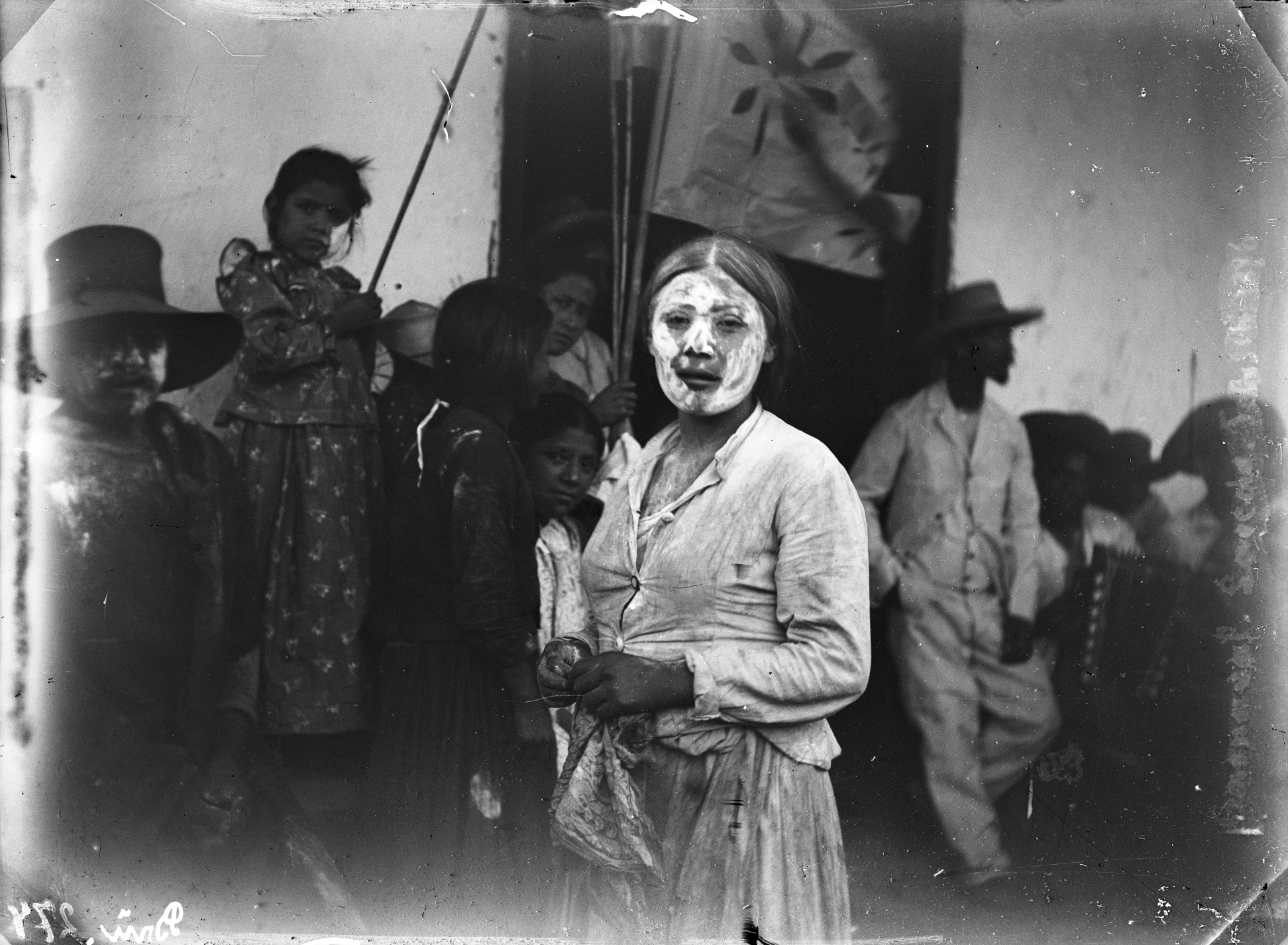
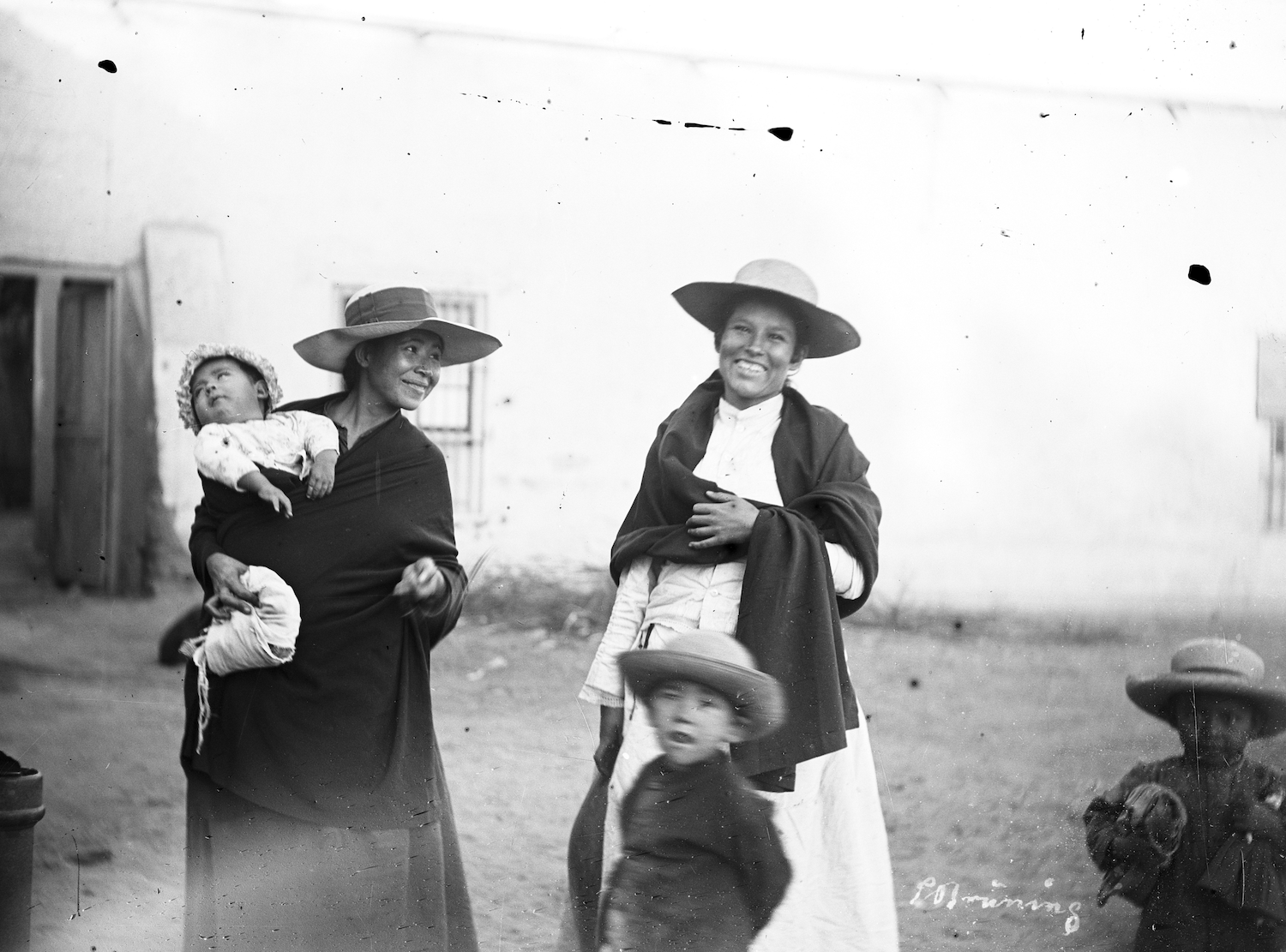
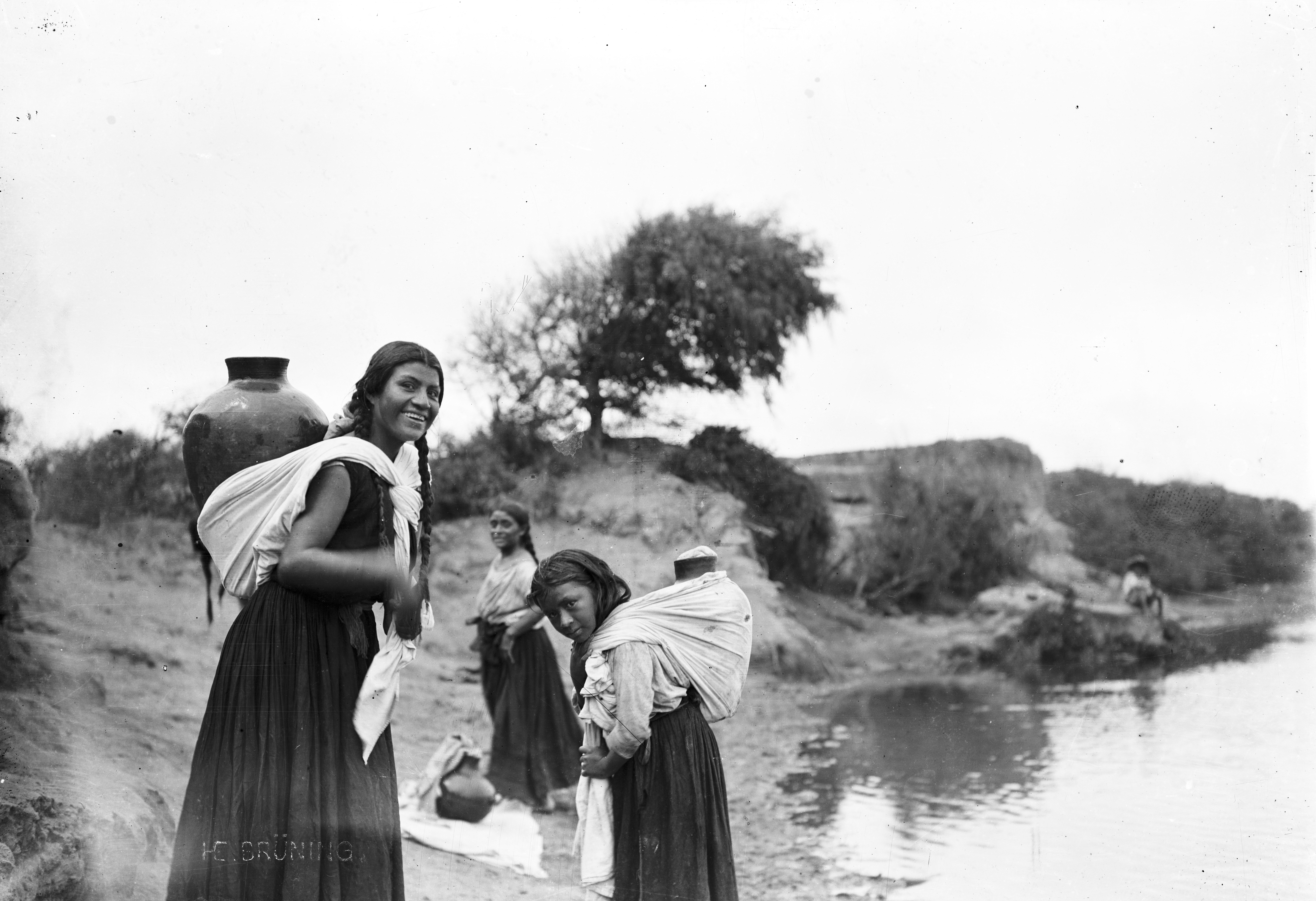
Hans H. Brüning (1848–1928) lived and worked as an engineer in the Lambayeque region for fifty years and developed a passionate interest in its cultural history, which had previously been little researched. His photographs in the MARKK collection – ranging from intimate portraits and group scenes to more distant, documentary images – paint an impressive picture of the life and culture of the local people at that time. Today, these photographs are more than just historical documents – they are part of a revitalized local identity and function as living archives. Artists, researchers, and local communities are creatively engaging with the ambiguity, materiality, and colonial legacy of these collections, connecting the past with contemporary questions of identity and collective memory. This also encourages reflection on the role of digital media – on how the online appropriation of historical photos and music by local actors can act as a democratic force that has an influence beyond the realm of institutions.
As a result, these processes of cultural reappropriation transcend the boundaries of the museum archive and at the same time provide impetus for a collaborative reassessment of historical collections. They show how ongoing engagement with a colonially shaped archive creates new social relationships and resonates across generations and geographical boundaries.
This exhibition is curated by Christine Chávez, Walther Maradiegue and Prof. Gisela Cánepa Koch.
Preview